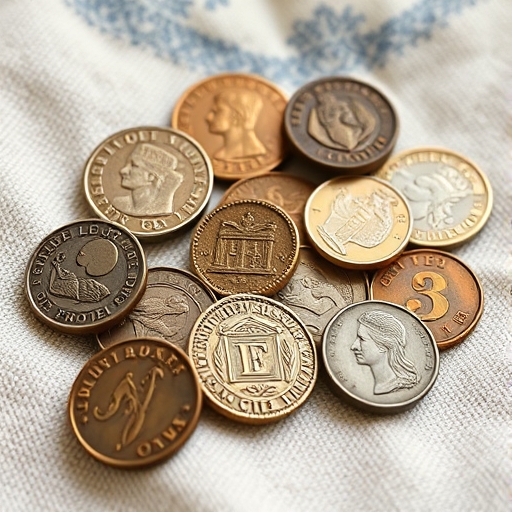
Coins
Coins are small, flat, round pieces of metal used as legal tender for exchange in economies around the world. Made from materials like copper, nickel, silver, or gold, they are stamped with official designs indicating their value, country of origin, and year of minting. Coins have been in use for over 2,500 years, evolving from ancient Lydian ingots to today’s standardized currency. They play a vital role in commerce, history, and culture, often featuring national leaders, landmarks, or symbolic imagery. Collectors, known as numismatists, study coins for their design, rarity, condition, and historical context. Coins can be found in circulation, buried in archaeological sites, or inherited as family treasures. Proper handling and storage in protective holders help maintain their condition and value. Beyond monetary use, coins serve as educational tools, offering insights into economics, politics, and art across civilizations.
